
A propósito de la novela: “La sociedad de los improductivos”
Ivan’s debut article for Amazing Stories: on productivity, society and science fiction

Ivan’s debut article for Amazing Stories: on productivity, society and science fiction

A small minority of historians point to the independence as Scotland as major turning point in history.
Society would do well to heed science fiction’s prophetic visions.

Steve dissects two movies: a new one and an oldie. But are they goodies?
M.C. Carper is back with an interview with Emilio Balcarce, journalist and comics writer.
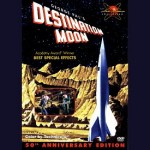
Steve reviews a seminal classic: Destination Moon, the first Hollywood SF blockbuster that respected both science and science fiction.

Does the movie Transcendence transcend the “sci-fi” label? Steve checks it out.

What have you learned from science fiction? Travis shares his own lessons.

There are a few possible changes to the world map coming by 2020 that we should keep an eye out for.
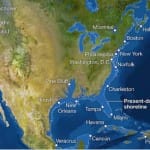

It’s becoming increasingly obvious that we’re approaching the kind of TV pictured in Robocop or Kornbluth’s The Marching Morons. Whether it’s “I’d buy that for a dollar” or “Would you buy that for a quarter?” there’s a level of “entertainment” in movies and television which I and a bunch of others—I hope you’re one of them, too—don’t find particularly entertaining.

Back in the Good Old (or Bad, depends on your point of view) Days, fiction—especially SF—that was written for a teen audience was called “Juvenile” fiction; I don’t believe any disparagement was meant, or at […]

James Weber can’t stop thinking about HER. Who says the singularity can’t be beautiful?


There’s a lot of promise for medical conditions with new gene therapies…but Dr. Moreau still lurks in the background of our thoughts.

Anatomy of Steampunk: The Fashion of Victorian Futurism is not just a big book to be left out on the coffee table so you can look cultured (but you might want to). This is a powerful sourcebook for all that is Steampunk and a valuable tool for those who take the genre seriously.

Steve takes us through the pages of the historic British comic mag, The Eagle.

C. E. Martin (yes, but which one?) wonders why we bother to distinguish some works as “alternate reality” when in fact, all SF and fantasy takes place in alternate realities.

The United Nations expects the world’s population to reach 9 billion by the year 2050. And, of course, feeding this population will be a daunting challenge. We all know about the advent of genetic manipulation of plants to yield hardier crops, but many stakeholders have both explored and invested in other farming alternatives, which range from farming underwater to farming in the desert. K. Ceres Wright takes a look at some of the options.

James Weber steps out on a (shaky?) limb and offers these interesting predictions for the coming year.

Felicity Savage recommends some SFF classics for your reading pleasure on Christmas.

Does science fiction suffer from animal animosity? Where are all the outer-spacey pets? Who banned fish tanks from the Enterprise? C.E. Martin wants to know.

The health care industry is struggling to keep up with seniors’ needs, and one method that has had some success is through the use of home care robots, which was highlighted in the 2012 movie, Robot & Frank.

In some ways, we’re already preparing ourselves for living in the future.

Carlos Duarte Cano talks about science fiction, writing, editing, and his interests.

when I read, I notice what people are eating. This is one of those little clues that can tell you a lot about how a fictional world is constructed and how its author sees it.

Battle Fever J was a forerunner of the Power Rangers: four guys and a girl in superhero suits, saving the world from “the mysterious deity Satan Egos.”




Recent Comments