Whether you know it or not (and you shortly will if you don’t), there is a significant milestone for the Science Fiction community that is fast approaching!
Based upon the very best historical research (and not a little bit of argumentation) , a bit over 150 days from now will mark the 100th year – to the day – that Amazing Stories was first distributed to newsstands in New York City and throughout the rest of the continental US (and probably some points in Canada as well).
March 10th, 2026, probably at some early morning hour before the vast majority of you are even thinking about waking up, will mark a full century – 100 years – since that neon yellow, over-sized and heftier than expected (Gernsback printed the magazine on custom-ordered paper designed to give the magazine greater weight and thickness) first issue of Amazing Stories was cut free from its twiney confinements and placed upon the display racks, ushering in an era of awe, wonder and imagination.
By our estimation, it will also marks 100 years since the official founding of the Science Fiction genre, given it’s very first formal definition just inside that lovingly crafted Frank R. Paul cover:

I’ve taken the liberty of re-creating the masthead and editorial page containing that first formal definition of the genre, so that you can experience reading it the way that the magazine’s very first readers experienced it. I have also taken the liberty of highlighting some key portions of that editorial so that you do not miss their import nor the manner in which they were conveyed, as both contribute greatly to what I believe was Hugo Gernsback’s intent.
You will note that Gernsback presented this in ways that do not completely jive with the ways in which science fiction is generally presented today.
This is somewhat understandable, given that when he wrote that editorial, things were just a tad different than they are now: Radio was just beginning to establish itself as a mass media vehicle that would soon rival and then eclipse newspapers and magazines, offering an unprecedented immediacy to the distribution of what would soon become information about and from the entire world.
But it is also true that there were literally “Unknown” locations on maps of the world distributed at the time, in just a few days time Robert Goddard would launch his first liquid-fueled rocket, the use of the miracle drug penicillin was still several years away, type was still set by hand and paperback books were still nearly a decade away.
It was, truly, a different world, one that I suspect that few contemporary readers can fully appreciate the “ignorance” of. News of the world was often dated, even in the best newspapers. Some of the technologies we enjoy today were considered “impossible” and would require the creation of several generations of previously unknown technologies to even be considered a possibility. Less than 5 percent of the US adult population had a college degree of any kind (38% these days). No one could yet quote Bugs Bunny – he hadn’t said anything yet. Most people still worked 12 to 14 hour days, six days a week. (Giving them little time to read Amazing Stories, which puts some added perspective on the fact that its circulation numbers EXCEEDED 100,000 for its first several issues.)
It is very hard to replicate the mindset and reaction of someone from back then reading Amazing Stories for the first time. There’s a reason that “having their mind blown” is often how the “sense of wonder” concept is described. It might be something akin to reading in the New York Times today that the test mission of the first Faster-Than-Light drive had been successful and was expected to return to Earth later today, or that the dinosaurs brought back from the most recent time traveling expedition were on living display at the Bronx Zoo – go give some food pellets to an Apatosaurus.
But you’d also have to imagine yourself as having no previous idea of such concepts as well.
Which is one way of illustrating that both the times AND Science Fiction have changed since its inception and, I’d venture to say, not always for the best. Something seems to be fading from our conceptualization of the genre, an element that was once considered to be an integral, if not a mandatory, component of what made Science Fiction SCIENCE Fiction.
It’s not for nothing that the genre’s name was crafted the way that it originally was (descending for pronunciation, if not sanity’s own sake) from Gernsback’s (ill-considered) portmanteau – Scientifiction. That’s because the emphasis was deliberately placed on the science element. It wasn’t called “Fiction Science”, not least because the science depicted and speculated upon was not intended to be of a fictional nature. It was meant to represent possible future achievements within the realm of known (or newly developed) scientific knowledge.
There’s a story about Larry Niven’s Ringworld novel that illustrates this point quite aptly: engineering students at MIT (where that novel was quite popular) noticed that based upon Larry Niven’s descriptions, the ringworld structure was an unstable one. Without some ability to make corrections, the inner surface of the Ringworld would eventually wobble into its sun, with less than desirable effects upon both the inhabitants and the structure itself.
Larry was questioned about this, accepted the criticism and then used calculations provided by those students to add some Bussard ramjet based engines to the structure, ones that would periodically and automatically adjust the Ringworld, keeping it stable.
The point here is that if the Ringworld had not originally been based upon known scientific principals, no amount of math or engineering could have been used to provide a solution that would work in the real world. No one would be able to do things like analyze the physical requirements for the (fictional) material named “Scrith”, because there would be no real-world data upon which to base such calculations.
You can’t solve a physics problem like how to get a vehicle to orbit when it’s too massy for the available fuel (Destination Moon, The Martian) without at least knowing that such a thing could happen, and you know it can because the story is grounded in real-world scientific knowledge.
It’s no secret that many critics regard older science fiction as (maybe) having some interesting ideas but are lacking in characterization* and “good” literary technique – something that could probably be said about most literature from the first half of the previous century, and the greater story crafting skills on display these days are greatly appreciated, but there is also something to be said for over-correcting, which is where I think the genre is at these days. (Doesn’t help that the audience itself is generally less appreciative of “science” itself.) If there is any truth to Gernsback’s contention that “New inventions pictured for us in the scientifiction of today are not at all impossible of realization tomorrow.”, then we NEED our science fiction to include real science and engage with it in the form of “thought experiments” in creative yet logical and grounded ways.
*Yes, there was both formulaic and bad writing to be found in the literature back in the day, but I contend that much of the “lack” of characterization was deliberate. The focus of many of those stories was on the new “thing”, the newly formulated scientific principle presented, and not on the people involved. Given the space constraints of the magazines – which until the mid-1950s published the vast majority of science fiction – this was a necessary compromise. Reader’s did not require long character studies to understand the motivations of a “mad scientist”.
***
We’re going to try and recreate at least a hint of that mind-blowing sense of wonder at SF100 with some special essays that we’ll publish in the Special 100th Anniversary Edition – essays taking a look at where various aspects of our genre have been over the past 100 years and where they might go in the next 100, covering such subjects as Publishing, Fandom, female authorship, minority authorship, etc.
We’ll also have a very special installation on display – copies of the first ten Science Fiction magazines ever published. Most Fans these days have never had the chance to see these in person, but now you can take a look at what, exactly, early Fans found on the newsstands, copies of
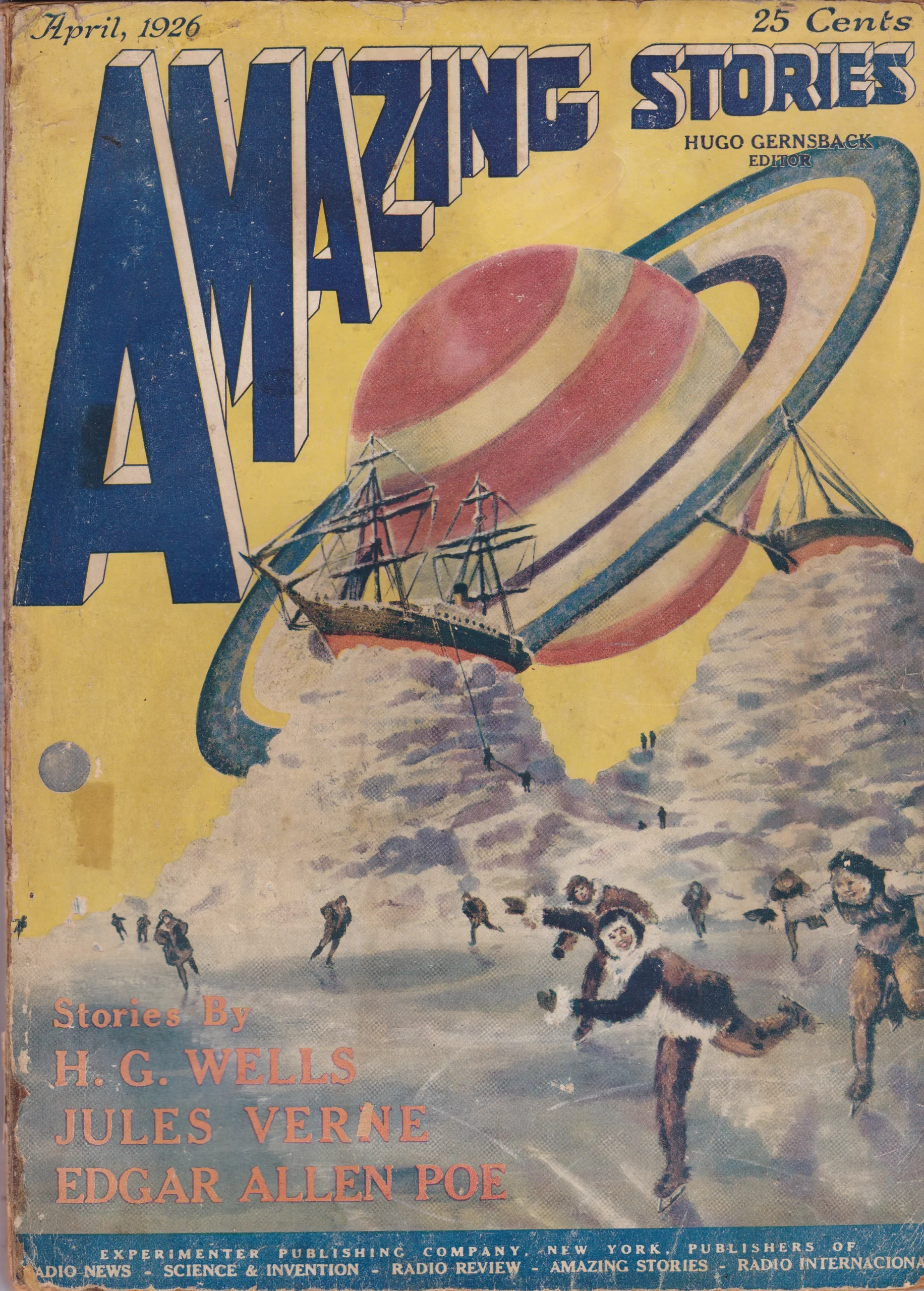
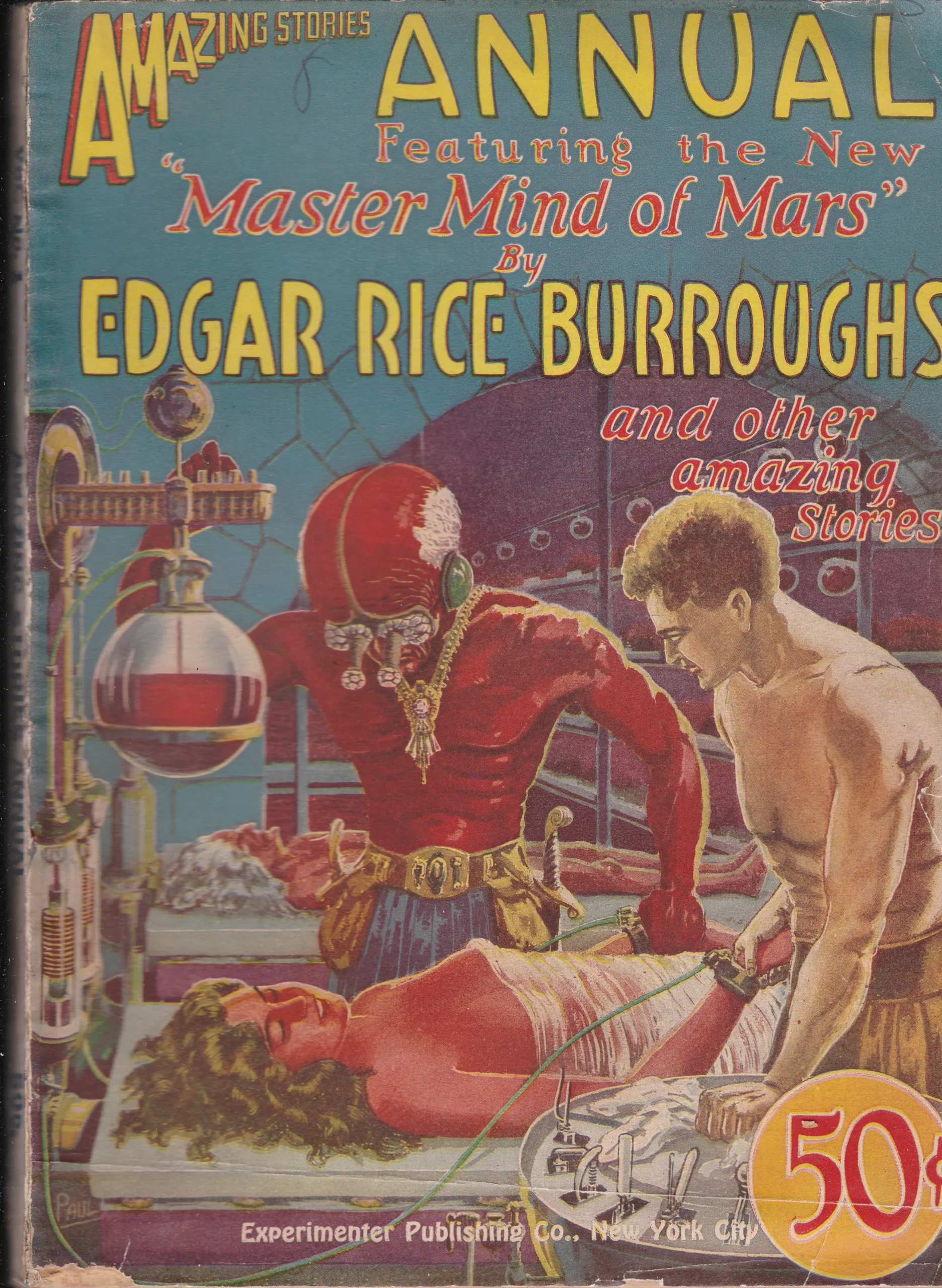
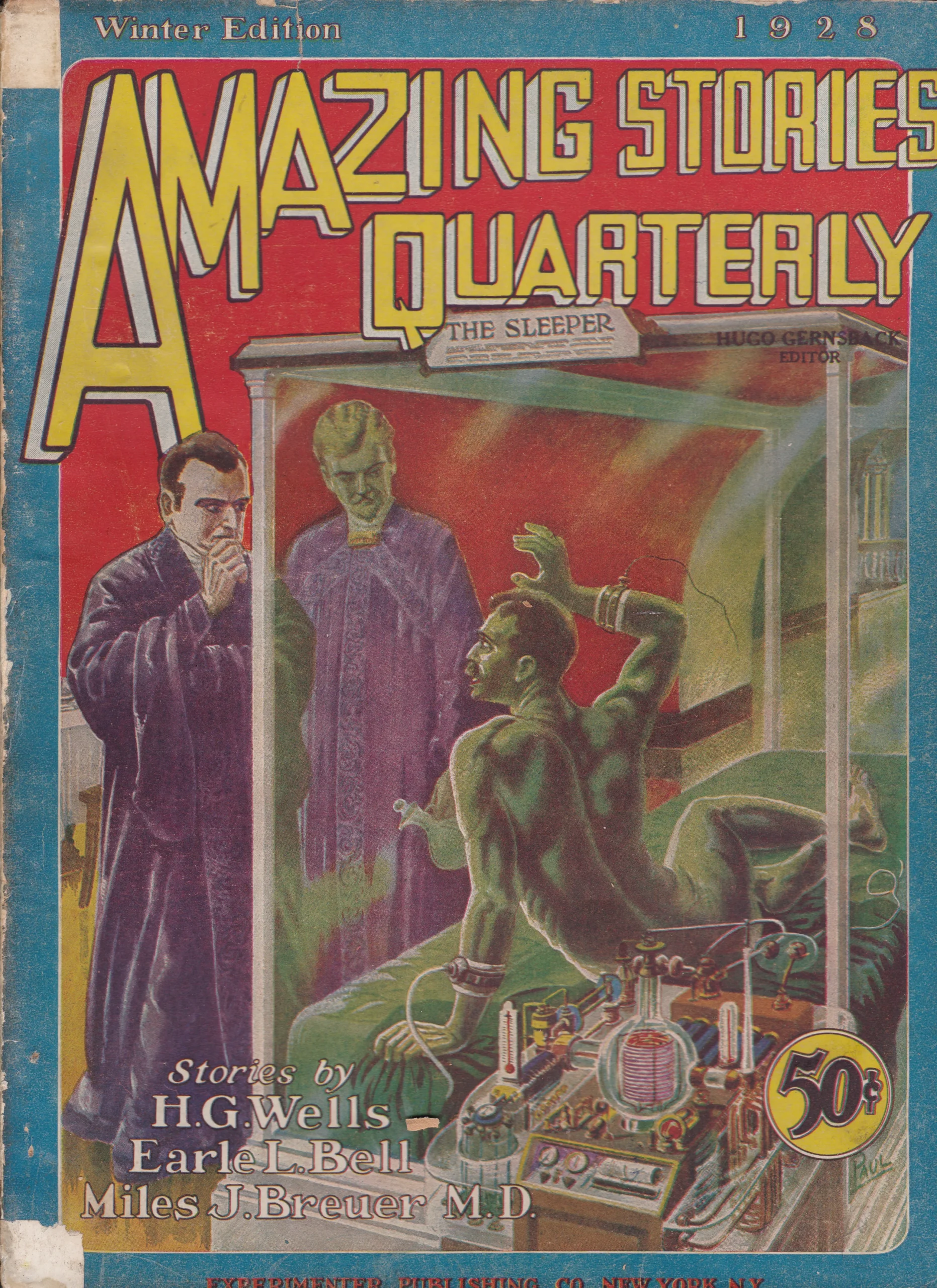
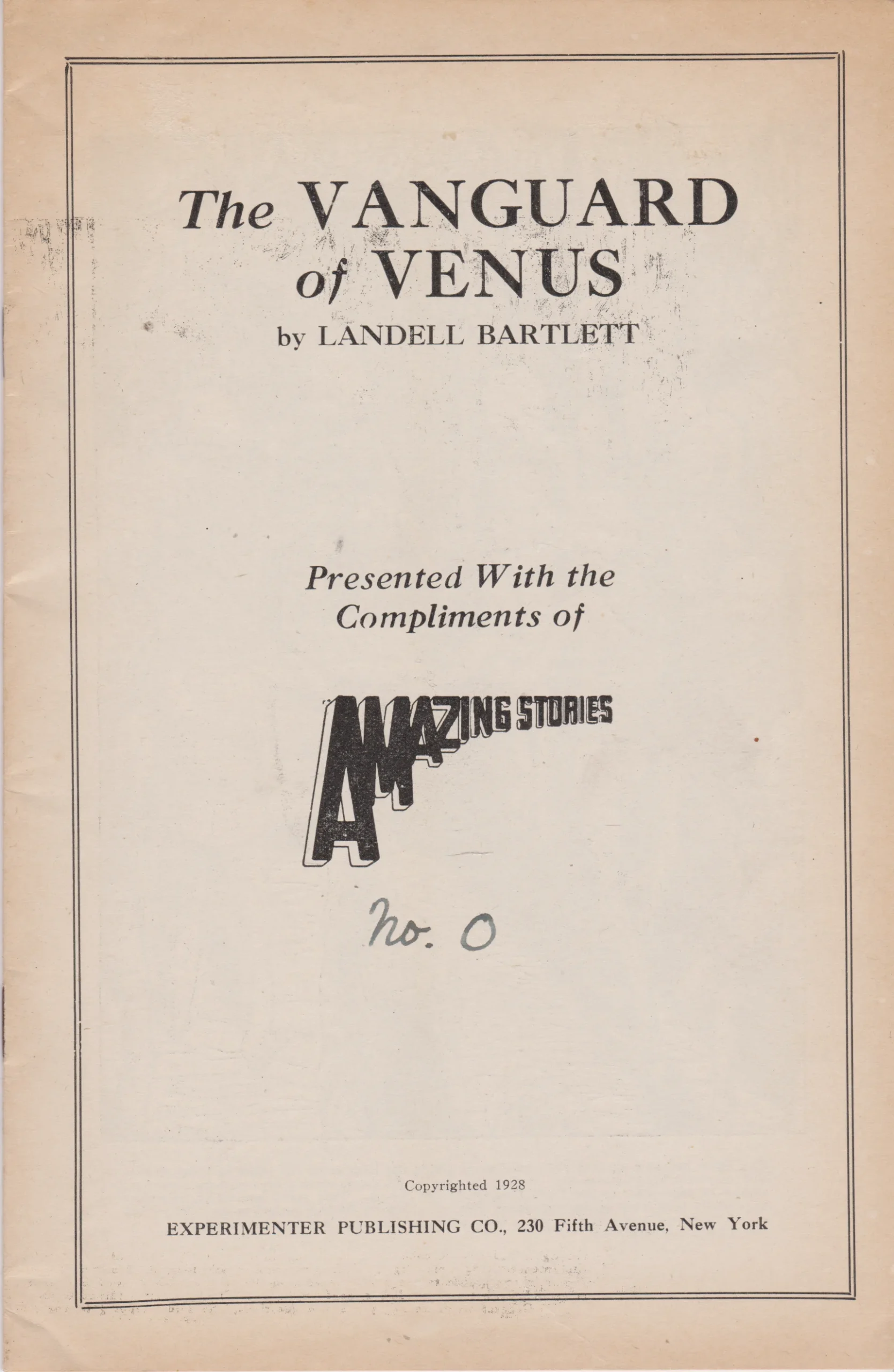

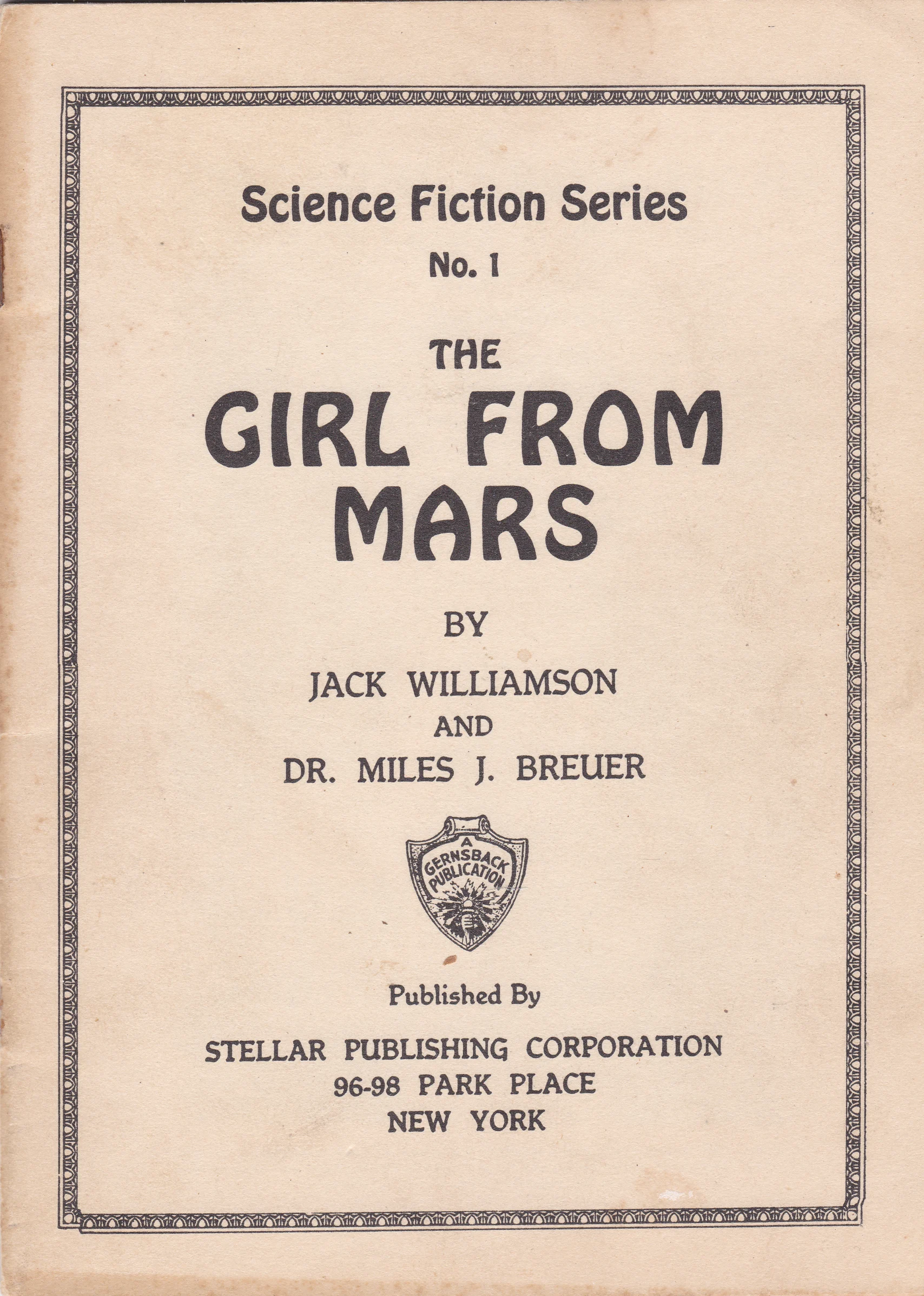
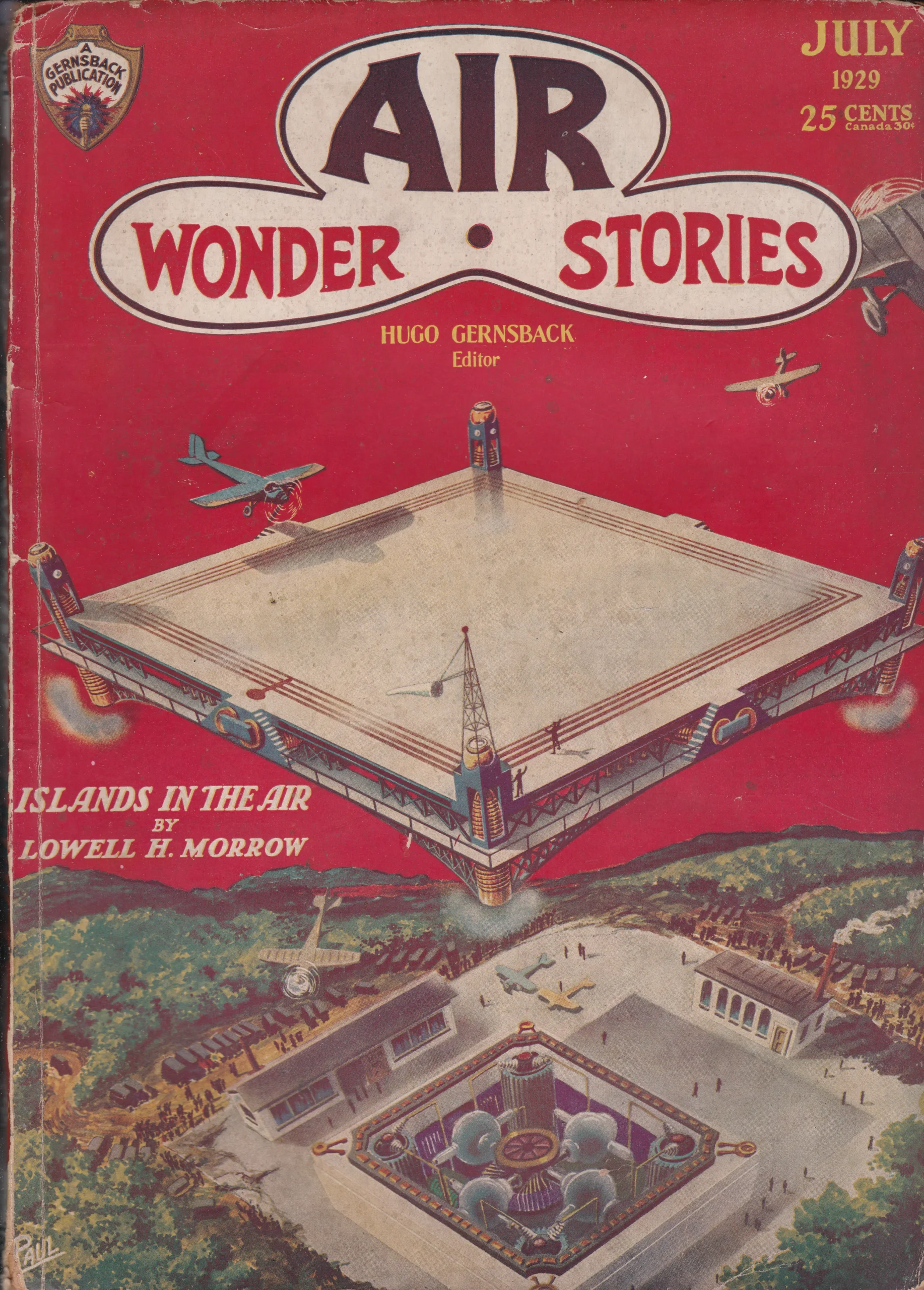

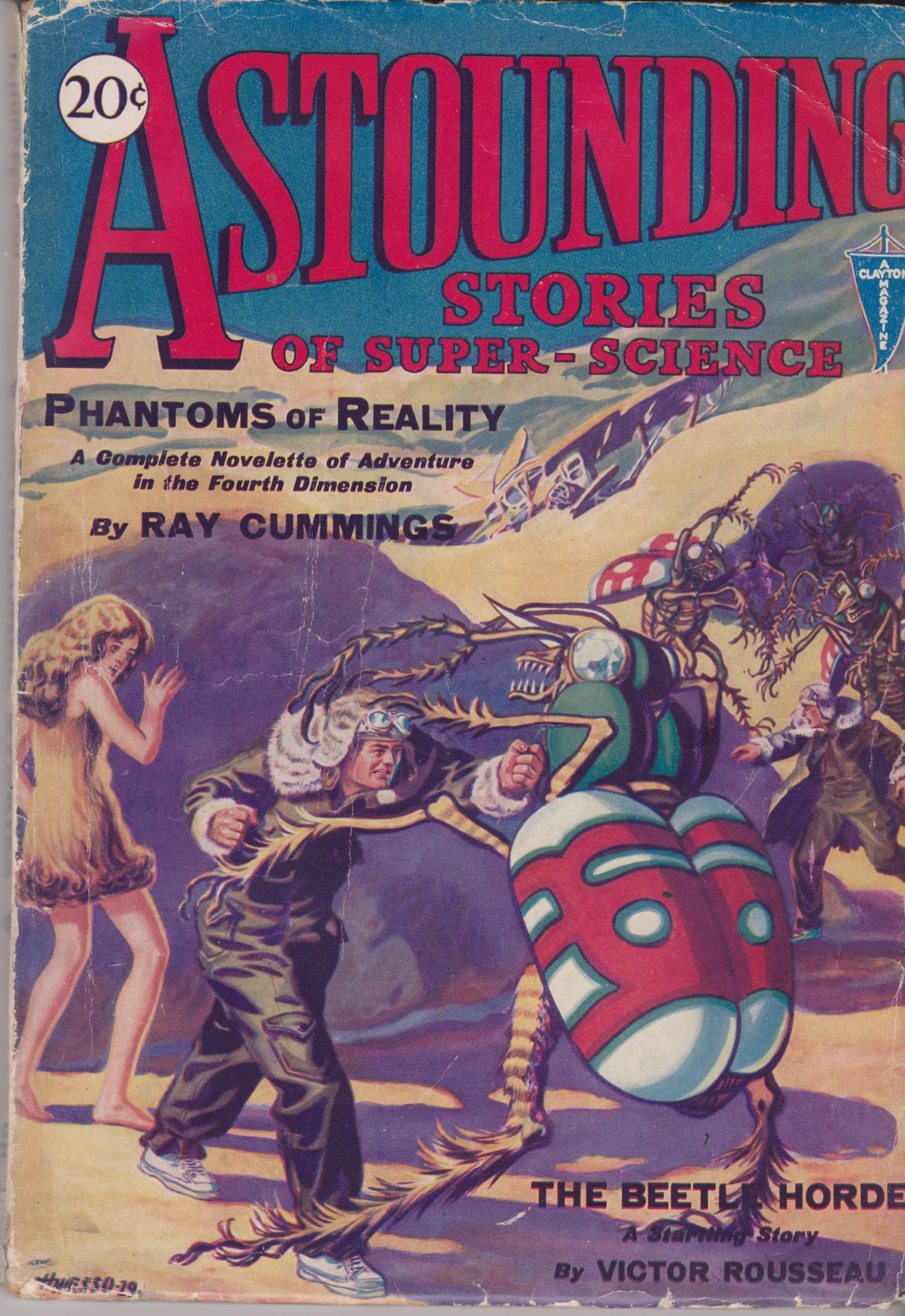
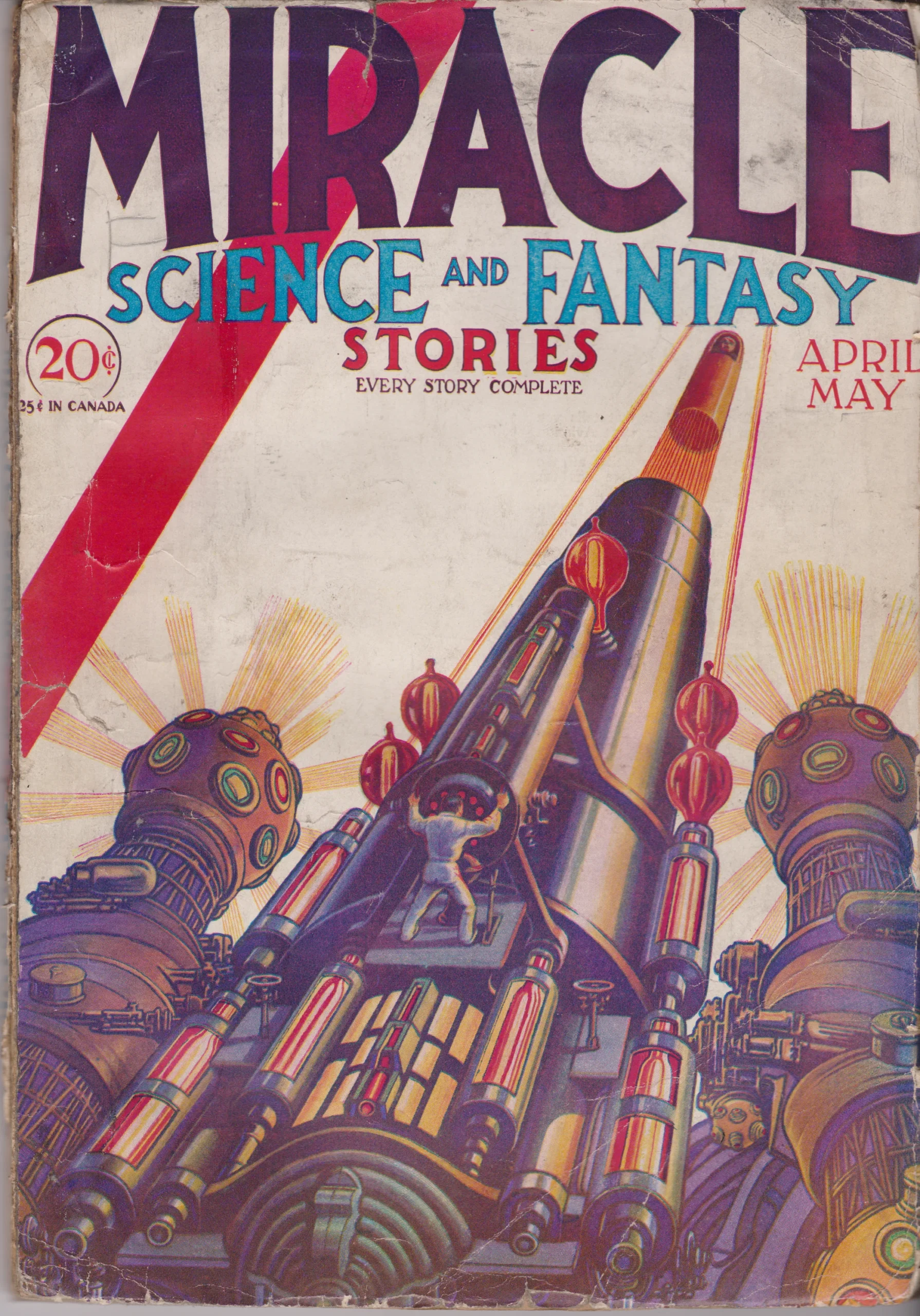
(Scans are from the author’s personal collection).
It wouldn’t be until 1938 that a dedicated Science Fiction reader would find more than these magazines to feed their heads.
What a change! These days we complain that there’s just too much in the field to be able to keep up. Back then, they complained that there wasn’t enough!
AMAZING STORIES ON RELEASE DAY



Steve Davidson is the publisher of Amazing Stories.
Steve has been a passionate fan of science fiction since the mid-60s, before he even knew what it was called.